
The Government of India revised the definition of Micro, Small, and Medium Enterprises (MSMEs) in 2025 to make it more inclusive and growth friendly. This change was significant as it brought many growing businesses under the MSME umbrella who were earlier excluded due to outdated limits.
What Changed?
Earlier, MSME classification was based only on the amount of investment in plant and machinery or equipment. However, now both investment and annual turnover are considered. Here’s the updated classification:
– Micro Enterprise: Investment up to ₹2.5 crores and turnover up to ₹10 crores
– Small Enterprise: Investment up to ₹25 crores and turnover up to ₹100 crores
– Medium Enterprise: Investment up to ₹125 crores and turnover up to ₹500 crores
This new definition allows for a much broader base of businesses to fall under the MSME category, thereby allowing them to take advantage of government schemes, incentives, and priority lending.
Why This Matters
With the earlier criteria, many businesses would lose their MSME status as soon as they began to scale. This created a fear of growth and led to many businesses not upgrading or expanding beyond a point. The new definition addresses this issue by creating room for growth without exclusion.
Key benefits of the new definition include:
- Greater inclusion: Many businesses previously disqualified now qualify as MSMEs.
- Improved access to benefits: Easier access to financial support, government schemes, and incentives. Encouragement to scale: Enterprises can grow without the fear of losing benefits.
Economic Impact
India’s MSME sector contributes around 30% of the national GDP, 45% of manufacturing output, and nearly 48% of exports. This redefinition opens avenues for a larger number of businesses to contribute more meaningfully to the economy.
It is especially impactful for service-based enterprises that often have high turnover but low capital investment. For example, IT consultancies, digital service providers, and marketing firms can now register as MSMEs and take advantage of various schemes.
Example in Practice
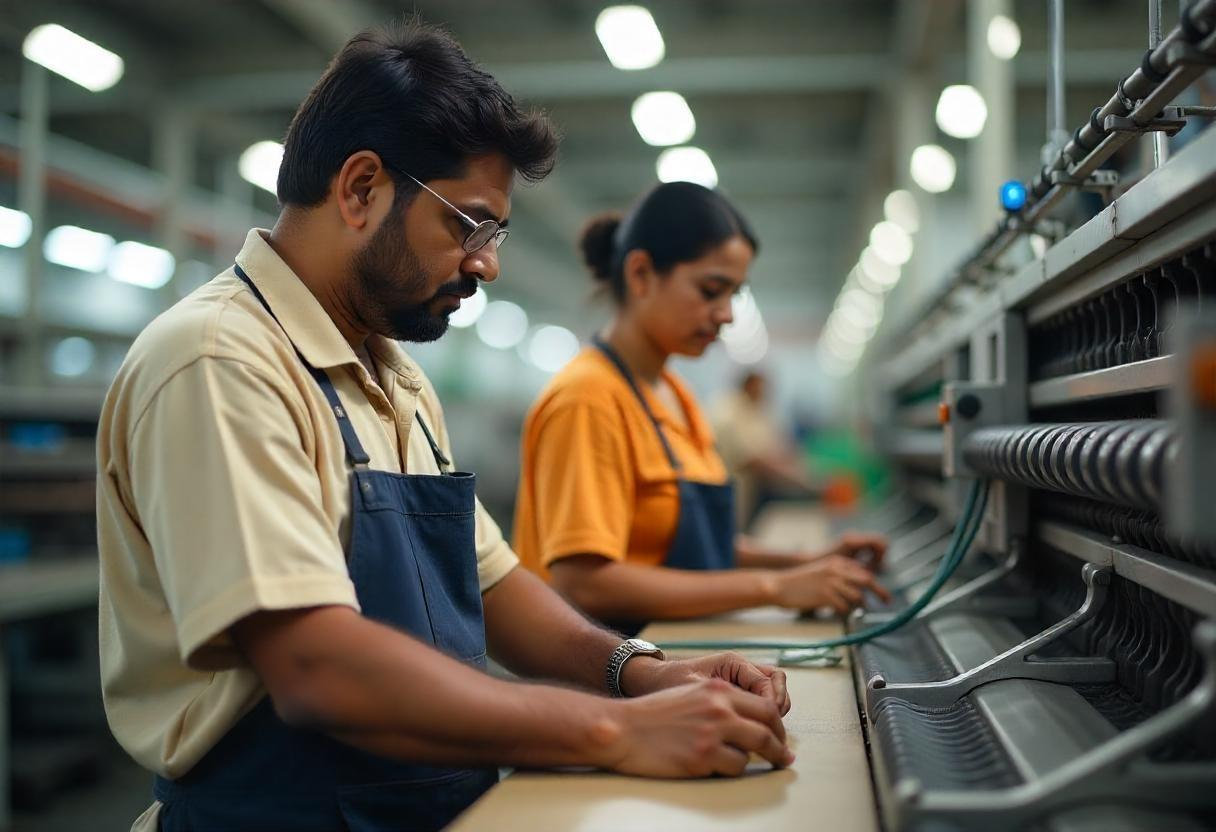
Consider a precision auto-component manufacturer with an investment of ₹18 crores in plant and machinery and an annual turnover of ₹85 crores.
Under the earlier MSME definition, this enterprise would have crossed the investment threshold for a small enterprise and risked losing MSME benefits as it expanded.
However, under the revised 2025 definition, the business comfortably falls within the Small Enterprise category (investment up to ₹25 crores and turnover up to ₹100 crores).
This means the enterprise can now continue expanding its production capacity, hire more workers, and invest in technology without the fear of losing MSME status and the associated benefits.
As a result, the company can still access priority sector lending, government procurement opportunities, export promotion schemes, and technology support program
Government Incentives and Support
- With the redefined thresholds, enterprises can avail themselves of:
- Collateral-free loans
- Interest rate subsidies
- Participation in trade fairs and exhibitions
- Export promotion schemes
- Infrastructure support
Policy Vision
This redefinition is not just a standalone measure—it is part of a larger vision to create a more supportive environment for entrepreneurship and small business development. It complements initiatives like Make in India, Atmanirbhar Bharat, and Startup India.
Global Competitiveness
By supporting more MSMEs, India can improve its global supply chain presence. MSMEs will be better equipped to adopt global standards, become part of export value chains, and bring foreign exchange earnings to the country.
In conclusion, the revised MSME definition is a landmark reform that democratizes opportunity, fosters scale, and builds resilience. As more businesses enter the formal ecosystem, India’s economy is set to benefit from improved productivity, employment generation, and global competitiveness.


