
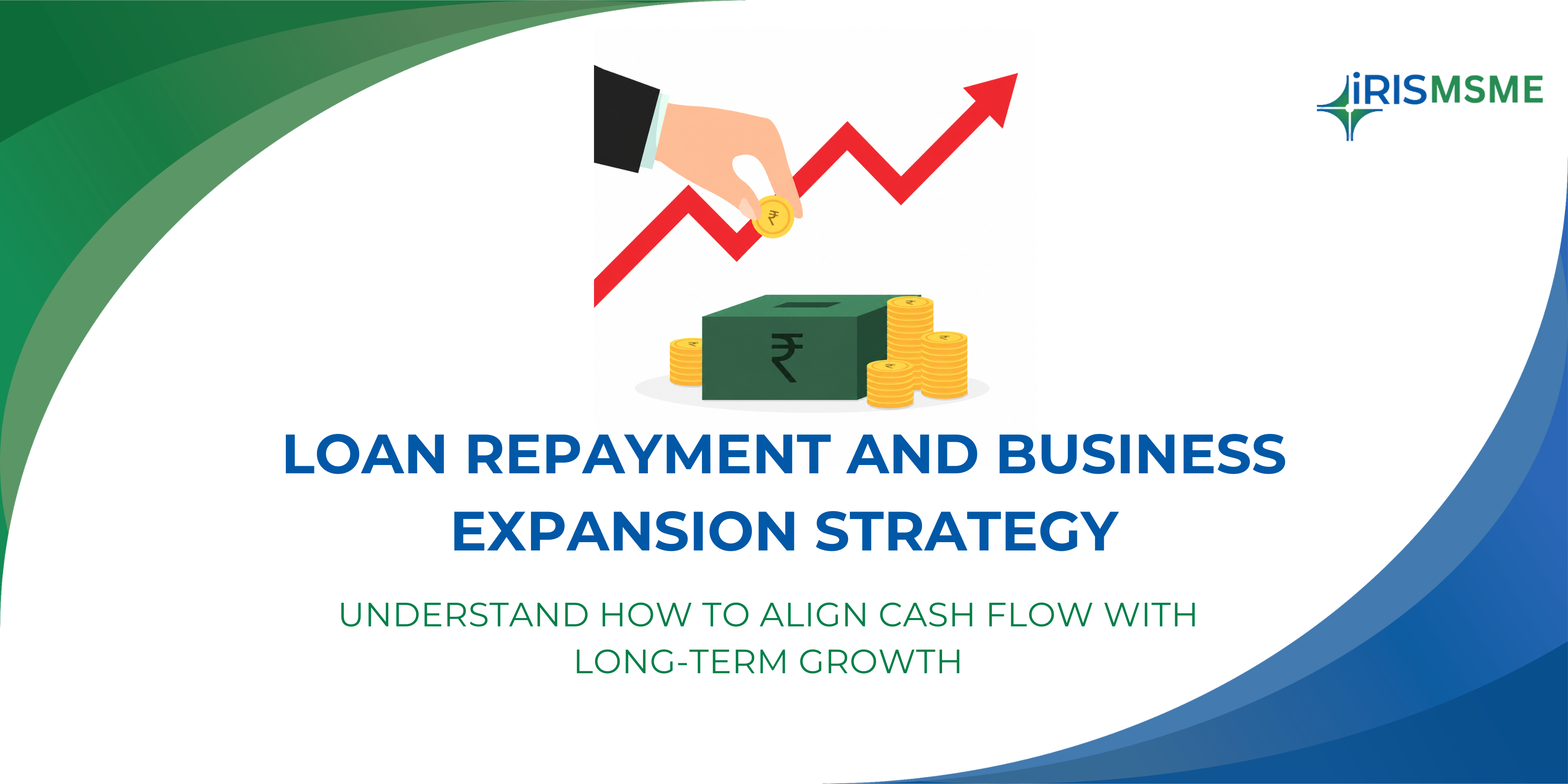
Planning the next stage of an enterprise brings up a clear question: should the focus stay on clearing existing dues or move toward expansion? For a growing unit, these two paths do not have to compete. The better approach is to manage both together, where loan EMI and expansion move side by side as part of the same plan.
A loan works like a bridge between where your business is today and where it wants to go next. To manage business loan repayment, a founder needs to keep that bridge steady while the business moves forward to a larger scale. This calls for a shift in thinking—from seeing debt as a monthly pressure to treating it as a fixed part of running the business.
Dividing the Capital Stream
A major reason for financial stress is the single-pool error, where all money for tax, salaries, and debt sits in one account. This creates a false sense of having more cash than is originally available. To balance EMI and business growth, it helps to divide your cash flow into clear parts.
Think of your revenue as a stream that splits into three channels:
1️⃣ The Fixed Track: This is for loan repayment. Moving a fixed portion of your collections into a separate account reduces month-end pressure.
2️⃣ The Operational Track: This covers daily costs like rent, power, and salaries.
3️⃣ The Scaling Track: This is where you set aside money for growth while handling current expenses.
When repayment funds are kept separate, you get a clear view of your expansion budget. You are no longer using money meant for future EMIs to cover today’s needs.

Compliance as a Credit Multiplier
Your business data plays a direct role in how lenders understand your operations. Filing patterns and consistency help show how your business runs over time, not just what it owns. Keeping GST filings updated builds a steady and dependable profile.
When your data stays complete and consistent, it reduces back-and-forth during checks. This can help open access to better terms or additional funding when required. Avoiding gaps, mismatches, or sudden changes in your data keeps your profile steady and supports your plans to expand.
Expansion Cash Buffer
Expansion does not start giving returns from day one. Whether it is adding a new machine or moving to a larger facility, costs begin first while income takes time to follow. To plan business expansion with an existing loan EMI, this time gap needs to be considered.
A business cash flow planning model can include a “Gestation Buffer.” This is a reserve of cash that covers at least three months of all payments, including EMIs, during the period when a new project is being set up. This buffer allows a founder to grow the business while repaying a loan without worrying that a slow start will affect repayment or the standing with the bank.
Speeding Up the Cash Conversion Cycle
Improving cash flow is not just about how much money comes in—it is also about how quickly it comes in. When customer payments are delayed, capital gets stuck and adds pressure on repayments.
By using digital invoicing and reminders, a business can speed up collections. This unlocked cash gives the liquidity needed to handle EMIs and expenses without touching funds meant for growth. For units facing delays from clients, improving collection methods can help fix these gaps and keep the business moving without interruption.
Vendor Compliance Checks
Expansion brings new vendors and suppliers into the picture. To protect capital during this phase, it is important to check their compliance. This helps avoid issues like blocked tax credits and keeps working capital safe.
When the time comes to seek further support, platforms like IRIS Peridot offer pathways to collateral-free business loans. These models allow a founder to align business growth with loan repayment without the need to pledge personal or business assets as security.
Cash Flow Stress Test
Before taking on higher fixed costs, it helps to run a simple check. If a key revenue stream slows down by 15%, will business loan EMI management remain stable? If the answer is yes, the business is ready to scale.
Ways to manage cash flow during loan repayment include keeping expansion moves modular, growing in small, steady steps instead of one large jump. This approach allows an MSME to plan expansion while keeping the core of the business stable. Long-term value is built through these steady habits, as seen in how GST history shapes loan prospects.

EMI & Growth Balance
Managing debt and growth together shows a strong approach to running a business. It is about making sure that current dues support future progress. With a clear view of cash flow and steady financial habits, expansion becomes easier to handle.
Repayment shows discipline, while expansion shows direction. When both move together with a clear plan, the business builds a steady path forward.


